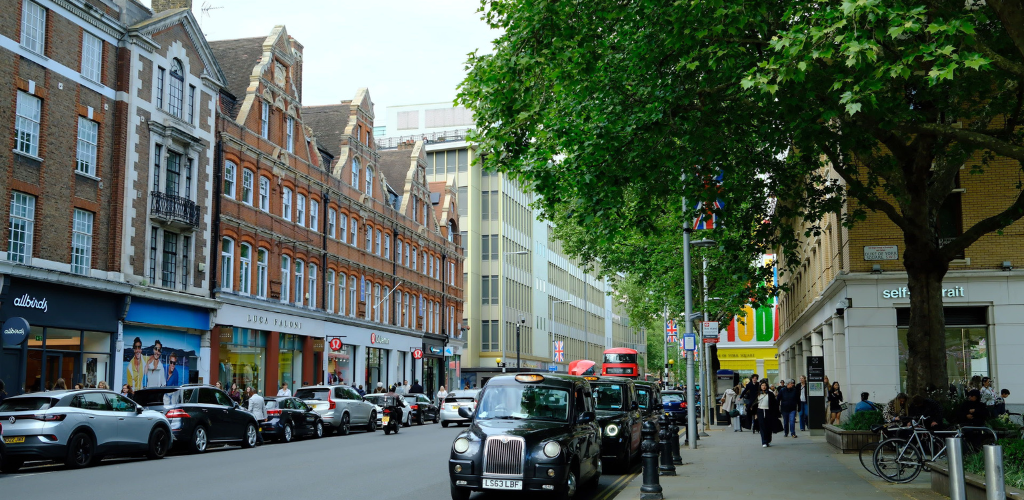
How to use bridging loans for Mixed-Use Multi-Unit Freehold Blocks
Bethan Jones
July 1, 2026
Investing in multi-unit freehold blocks (MUFBs) presents a highly effective way to scale a residential portfolio; however, when introducing a commercial element, it can create a distinct layer of complexity. Mixed-use MUFBs, such as ground-floor retail units with multiple self-contained flats above them, do not fit neatly into standard lending models. Because these assets sit at the intersection of commercial and residential property, securing traditional finance at the point of purchase can be incredibly difficult.
High-street lenders often view the presence of commercial units as an elevated risk, resulting in prolonged underwriting processes that do not align with tight transaction deadlines. Understanding how bridging loans can be used as a tool to acquire and prepare these complex assets can help you navigate the complexities much more easily.
The challenges of mixed-use assets
When you’re looking to purchase a mixed-use MUFB, you have to balance two completely different property sectors under a single freehold title. Because of this, traditional long-term lenders are rarely equipped to handle the funding needed to acquire these properties quickly.
The commercial unit, whether it is a high-street shop, a restaurant, or an office space, introduces commercial lease risk and tenant viability concerns for traditional lenders. Equally, the residential portion will likely consist of multiple independent tenancies, which means the property will need specialist property management.
Traditional buy-to-let lenders generally refuse to lend on properties with a commercial component that exceeds a small percentage of the total floor area. Additionally, commercial lenders may struggle to properly value the income of the residential units above. This challenge means that if you attempt to purchase a mixed-use MUFB using standard commercial mortgages, the transaction can stall for months while underwriters debate the risk.
How bridging loans are designed for these types of challenges
Many investors are beginning to look towards mixed-use MUFBs as a strategic decision in increasing their property portfolio. Not only do these properties have attractive rental yields, around 7-10%, but they also come with a higher occupancy rate, as businesses renting the commercial assets will sign lengthy lease agreements. Because of this and the challenges outlined above, including a bridging loan in your investment strategy can have multiple benefits.
Most importantly is the benefit of speed. When acquiring a mixed-use MUFB, speed can be crucial as these properties regularly appear on property auctions, so having the funds available to win the bid is crucial. Equally, bridging loans are flexible and rely on your exit strategy, rather than solely on the value of the property. This means that if the unit requires extensive refurbishments, bridging loans can provide the finance for both the purchase and refurbishment works.
How to structure a mixed-use MUFB bridging loan
Using a bridging loan for a mixed-use MUFB requires a clear, three-step strategy to ensure your asset transitions smoothly from the acquisition phase to a long-term profitable investment.
Secure the asset
The loan is used to complete the purchase within tight timeframes, such as the 28-day auction window. Because we assess the overall value of the freehold rather than focusing solely on current tenancy agreements, you can acquire the building even if the ground-floor retail unit is currently vacant or the flats above need modernisation.
Maximise asset value
Once you hold the freehold, the flexibility of the bridging facility allows you to carry out necessary works. This might involve refurbishing the residential units to ensure higher rents or configuring the commercial space beneath to attract a stronger tenant covenant. Enhancing the property during this phase maximises the total value of your asset.
Execute the exit strategy
A bridging loan is a temporary facility, typically lasting between 12 and 18 months. The final, crucial step is the exit strategy. With the refurbishments complete and new leases established for both the commercial and residential properties, the property becomes an attractive prospect for traditional lenders. You can then refinance onto a long-term specialist commercial mortgage or a multi-unit term loan, locking in lower interest rates based on the newly increased value of the block.
How KSEYE supports your mixed-use MUFB investment
Navigating the complexities of a mixed-use MUFB requires a flexible approach when facing difficult lease structures and meeting tight transaction deadlines, as traditional lenders are rarely able to provide the funding needed to acquire these property types.
At KSEYE, our in-house team of underwriters, legal experts, and business development managers understand the unique nuances of these combined assets. Having helped hundreds of property investors secure high-value blocks and raise the necessary capital, we focus on the overall viability of your exit strategy rather than rigid criteria you’d find from traditional lenders. If you are looking to acquire or refurbish a mixed-use MUFB, speak to our team to discuss how we can support your next project.

 020 8909 0736
 Login
Login