EPC Upgrades and Rental Tax: Using Bridging to Future-Proof Portfolios
As a property investor, you are navigating a market that may feel increasingly restricted by new government regulations, and the days of simply purchasing a property and letting it out with little work are now behind us. Today, you are required to balance the need for energy efficiency with the ongoing changes to the rental tax system. This means that to protect your rental yields and ensure your assets remain viable, it is essential to understand how bridging loans can help you to adapt your property investment strategy effectively.
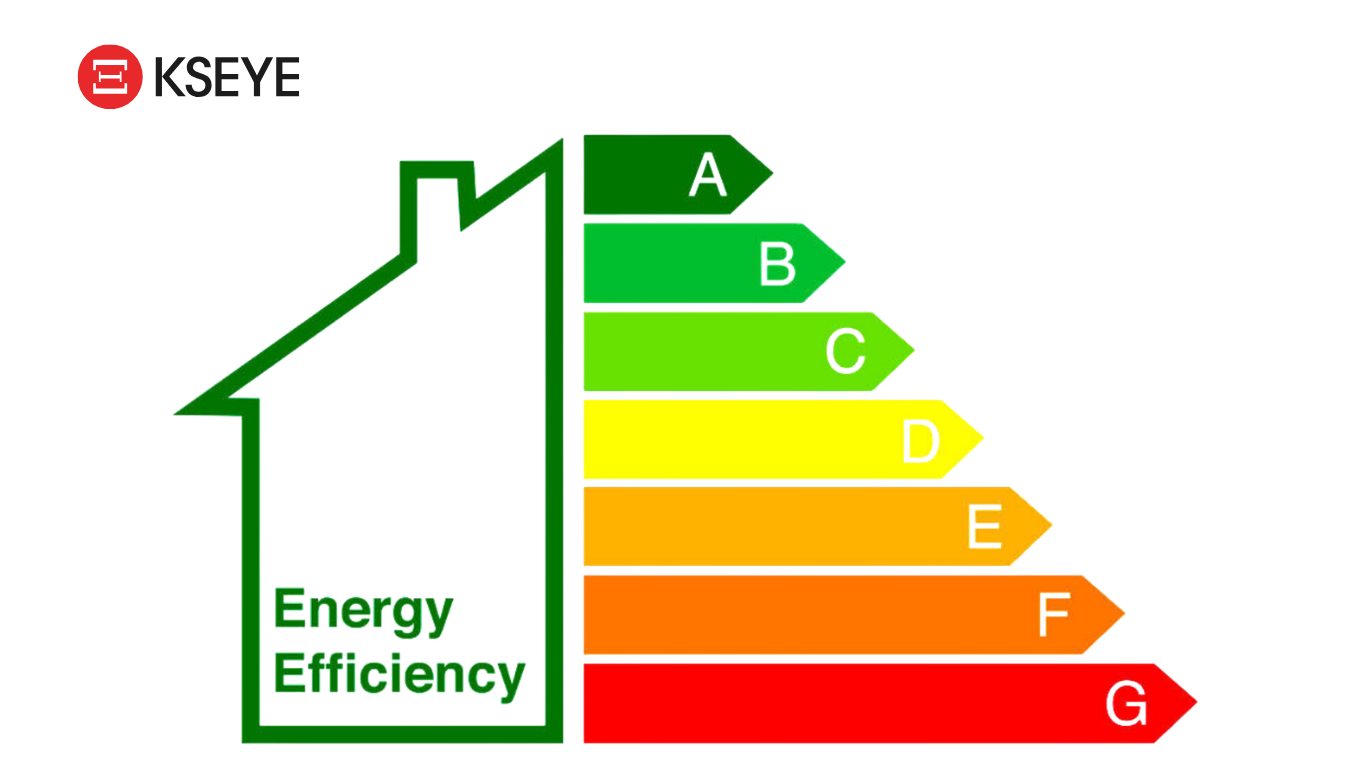
Managing the shift in EPC Regulations

This means that when you upgrade your portfolio, it will now potentially need significant work, such as wall insulation, modern glazing, or the installation of modern heating systems to meet the new EPC requirements. Whilst these improvements require upfront capital, they are necessary to prevent your properties from becoming unmarketable assets.
Linking energy efficiency to your tax position
As rental tax legislation like Section 24 in the Finance Act 2015 continues to impact your net income, finding ways to reduce your overheads is essential. By improving your EPC rating, you can often gain access to green mortgage products. These mortgage loans often come with a lower interest rate than standard mortgage products, which can help you offset the tax burden on your rental income. This means that investing in property refurbishments to achieve better EPC ratings can directly improve the long-term profitability of your portfolio. This also makes them more attractive if you intend to transition to a long-term mortgage loan, like a green mortgage.
Why bridging finance suits your investment strategy
One of the main challenges you might face is how to fund the improvements for your properties without disrupting your overall cash flow. Whilst traditional banks are more often hesitant to lend on properties that fall below the current energy standards, or those that require extensive work before they can be let.
A bridging loan, on the other hand, can offer a flexible alternative that allows you to act quickly, by helping you to secure a new property or refinance an existing one, providing the capital needed to carry out refurbishments. Equally, as the loan is focused on the value of the property and your exit strategy, it gives you the breathing room to complete work before moving on to a long-term mortgage.
Increasing your property value
When using a bridging loan to fund the upgrades of your rental properties, you are doing more than just satisfying the governmental requirements for EPC ratings and tax; you are actively increasing the overall value of your property.
Once the refurbishments have been finished and you’ve secured a higher EPC rating, your property becomes a much more attractive option for mortgage lenders. This will allow you to refinance at a better loan-to-value ratio, and potentially release capital for your next project.
Equally, because of this, you will also find that more people are looking for energy-efficient homes, as they want to reduce their monthly energy bills, which means your refurbished properties are likely to see higher rents and fewer periods where the home sits empty.
How KSEYE can help
At KSEYE, we understand the complexity and difficulty investors face when they are looking to upgrade their properties to meet the EPC rating requirements from the Government and the new rental tax hurdles. This is why we provide fast, reliable bridging finance that can help you to execute your refurbishment plans efficiently and effectively. Our team works with you and your clients to ensure our bridging loans fit your specific property goals and to help you move from owning an unrentable property to being able to rent out a high-performing one with ease.